When you’re pregnant or breastfeeding, every bite counts – not just for you, but for your little one too! The latest Dietary Guidelines for Americans (2020-2025) gives us a fresh perspective on pregnancy nutrition and nursing nutrition, and we’re here to break it down into bite-sized pieces. Note: Always consult with your healthcare provider about your specific nutritional needs during pregnancy.
Read the paper detailing the research behind this post.
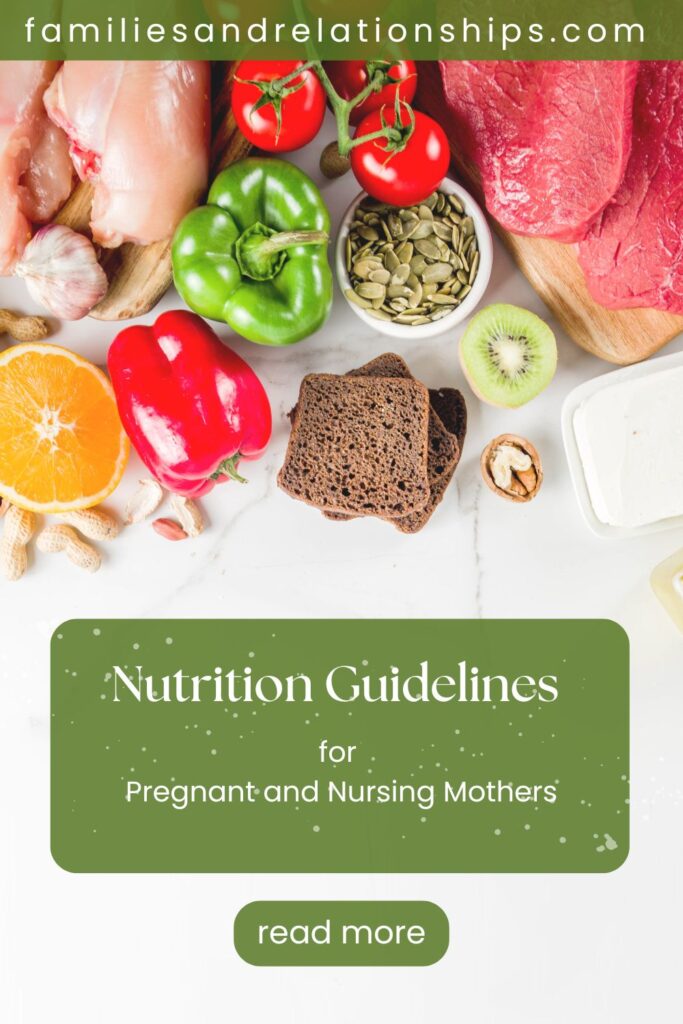
What You Eat Matters!
Did you know that what you eat during pregnancy can affect your child’s health for years to come? Your dietary choices during pregnancy and while breastfeeding can influence your baby’s risk of obesity and diabetes later in life. That’s why getting it right is so important.
What Should You Eat As a Pregnant or Nursing Mother?
Pregnancy nutrition and nursing mother nutrition doesn’t have to be complicated. Focus on whole, nutrient-rich foods, and make choices that work for your lifestyle. Remember, you’re not just eating for today – you’re helping to shape your baby’s health for years to come!
When possible, fill your plate with these healthy foods:
- Colorful vegetables and fruits
- Protein-rich nuts and legumes
- Whole grains like brown rice and whole wheat bread
- Lean meats and seafood
- Dairy products. Calcium is important for you and your baby’s bone health.
- Healthy oils (like olive oil)
Foods to avoid:
- Processed meats
- Foods high in saturated fat (fried foods and some baked goods)
- Sugary foods and drinks
Pregnancy specific nutrition
Don’t forget these important guidelines:
- Take your prenatal vitamins (especially folate, iron, iodine, and choline). Folate helps prevent neural tube defects, iron supports healthy blood development, and iodine and choline are important for your baby’s brain development.
- Eat 8-12 ounces of omega-3 rich seafood weekly. Omega-3 fatty acids are good for your baby’s brain!
- Skip the alcohol completely
- Keep caffeine intake moderate
- Focus on nutrient-dense foods
Make It Work for You
Remember, these aren’t one-size-fits-all rules! The best diet is one that fits your cultural preferences, works with your budget, includes foods you actually enjoy, and meets your nutritional needs. Small, sustainable change are better than trying to change your entire diet overnight.
These guidelines are a great starting point, but everyone’s needs are different. A healthcare professional can help you create a personalized plan to ensure you and your baby get the nutrients you need. Don’t hesitate to reach out to your healthcare provider for guidance. There are also helpful programs like WIC and SNAP that can make accessing healthy foods easier during pregnancy.
Eating well during pregnancy and lactation is an investment in your health and your child’s future. By focusing on a balanced diet, key nutrients, and making sustainable choices, you can give your baby the best possible start in life.